 +91- 9692108108
Anterior and Lateral Spinal Surgery
(Advanced minimally invasive approaches for spine stabilization and nerve decompression)
Most spine surgeries are done from the back. But sometimes, the safest and most effective way to reach the problem is from the front (anterior) or side (lateral). In my practice, I often meet patients who have had previous back surgeries or complex spinal deformities where going in from the back again could risk nerves or cause unnecessary trauma. In such cases, anterior or lateral spine surgery gives us a cleaner, safer corridor — less pain, faster healing, and better alignment.
At Bangalore Back, my team and I specialize in these advanced approaches. We plan each case using AI-assisted 3D imaging, ensuring accuracy right from incision to implant.
Understanding the Approach
Anterior and lateral spinal surgeries allow us to access the spine directly through the abdomen, neck, or side of the body — instead of cutting through thick back muscles. This means we can remove diseased discs, realign the spine, and fuse the bones with less bleeding and faster recovery.
Conditions We Commonly Treat
These approaches are ideal for a variety of spinal issues, including:
- Lumbar or cervical disc collapse with instability
- Degenerative disc disease with back pain
- Revision surgery where posterior access is scarred
- Failed back syndrome
- Spinal deformities (scoliosis, flatback)
- Large herniated discs causing nerve compression
- Cervical spondylotic myelopathy
When We Use These Techniques
I usually recommend anterior or lateral approaches when:
- A previous posterior (back) surgery has scar tissue or hardware
- There’s a large herniated disc compressing the spinal cord
- The spine needs height restoration or realignment
- There’s a deformity (like scoliosis or flat-back) needing segmental correction
- You need faster recovery with less muscle disruption
Many of my elderly patients benefit from these techniques because the recovery is smoother and muscle pain is minimal.
Common Conditions We Treat
Our team uses anterior and lateral approaches to treat a wide range of spinal pathologies, including:
- Degenerative Disc Disease (DDD)
- Severe Lumbar or Cervical Disc Herniation
- Recurrent Disc Prolapse / Revision Spine Surgery
- Isthmic Spondylolisthesis / Vertebral Instability
- Flatback Syndrome & Sagittal Imbalance
- Adult and Paediatric Spinal Deformity
- Failed Posterior Fusion
- Anterior Vertebral Body Tumours / Infection (select cases)
How We Plan and Perform the Surgery
Every patient’s anatomy is unique — and so is every surgical plan. We use AI-based pre-operative modeling to visualise the angle, cage height, and screw trajectory even before surgery starts. Intra-operative navigation and neuromonitoring ensure safety while placing implants close to vital nerves and vessels.
A vascular surgeon often assists during lumbar anterior surgeries, ensuring smooth and safe access to the spine. All procedures are performed under high-definition imaging in our advanced operating suites at Bangalore Hospitals.
Techniques Offered
We offer the full suite of anterior and lateral spinal surgeries using AI-based preoperative planning, 3D navigation, and neuromonitoring to ensure precision and safety.
Surgical Techniques:
- ALIF (Anterior Lumbar Interbody Fusion): Via a small abdominal incision with the help of vascular surgeon
- LLIF / XLIF: Muscle-sparing lateral approach via psoas or oblique corridor
- OLIF: Minimally invasive oblique approach for multi-level corrections
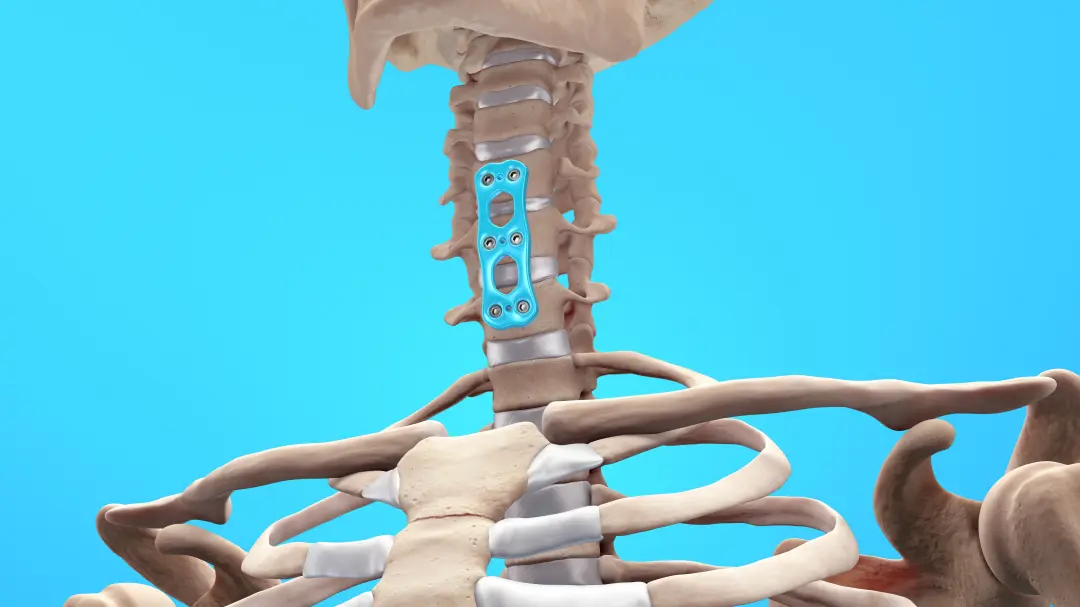
- ACDF (Anterior Cervical Discectomy & Fusion): Gold standard for cervical disc herniation and myelopathy
- Anterior Vertebral Tethering: Non-fusion scoliosis correction in select children
- Combined Approaches: Front + back surgeries for complex deformities.
 Request an appointment
Lorem ipsum dolor
Why Patients Prefer Bangalore Back
- Minimally invasive precision: smaller incisions, faster healing
- AI-based 3D surgical planning and navigation guidance for accuracy
- Team approach: spine surgeon, vascular surgeon, anesthesiologist, and rehab team working together
- Personalised recovery plans for office workers, athletes, and senior citizens alike
- Compassionate, transparent care with clear pre- and post-op guidance
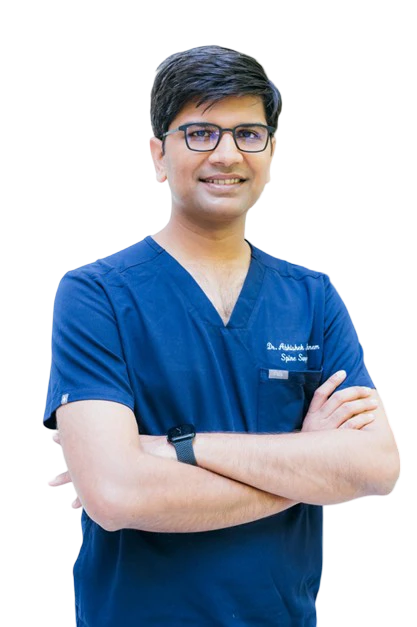
Dr. Abhishek Mannem, a specialist in anterior, lateral, and minimally invasive spine surgeries with extensive experience in complex reconstructive and revision procedures.
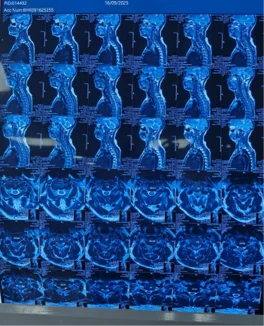
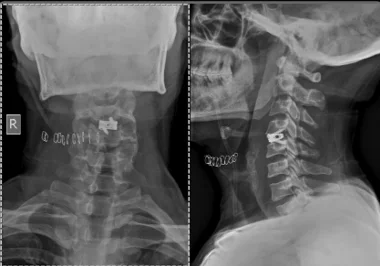
Before & After Clinical Gallery
We showcase real patient cases (with consent), including:
- Pre- and Post-operative MRIs and X-rays
- Disc Herniations, Stenosis, and Spondylolisthesis cases
- Visible improvement in alignment and decompression
Recovery And Rehabilitation
Recovery after anterior or lateral spinal surgery is usually faster than traditional posterior procedures. Most patients walk the next day and return to desk work within 2–3 weeks.
Typical Recovery Path:
- Hospital stay: 2–4 days (depending on levels operated)
- Mobilization: Within 24 hours
- Brace (if needed): 4–6 weeks for lumbar surgeries
- Back to light work: 2–3 weeks
- Full recovery: 2–3 months with guided physiotherapy
Physiotherapy focuses on posture, core strength, and gentle mobility. Our rehabilitation team teaches ergonomic care — how to sit, lift, and move safely in daily life.
FAQ’s
Is anterior or lateral spine surgery better than posterior surgery?
Will I have a visible scar?
Is it risky because of nearby organs or blood vessels?
How soon can I walk after surgery?
Is this suitable for elderly patients?
What if I’ve had previous spine surgery?
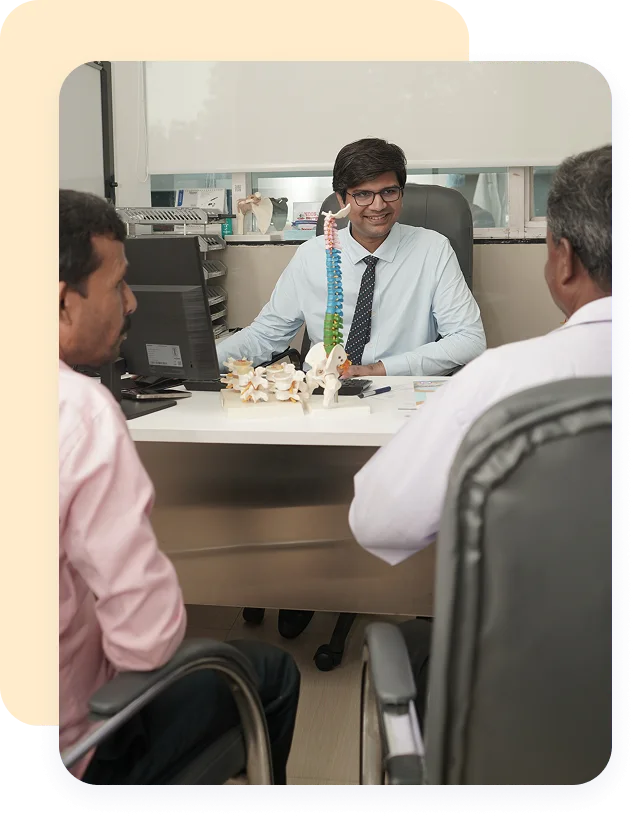
Let’s Start Fixing Your Back, Together.
Whether it’s a nagging pain, an unclear diagnosis, or a question about surgery—your spine deserves expert attention. Schedule a one-on-one consultation with Dr. Abhishek Mannem and get a personalized path to recovery.