
 +91- 9692108108
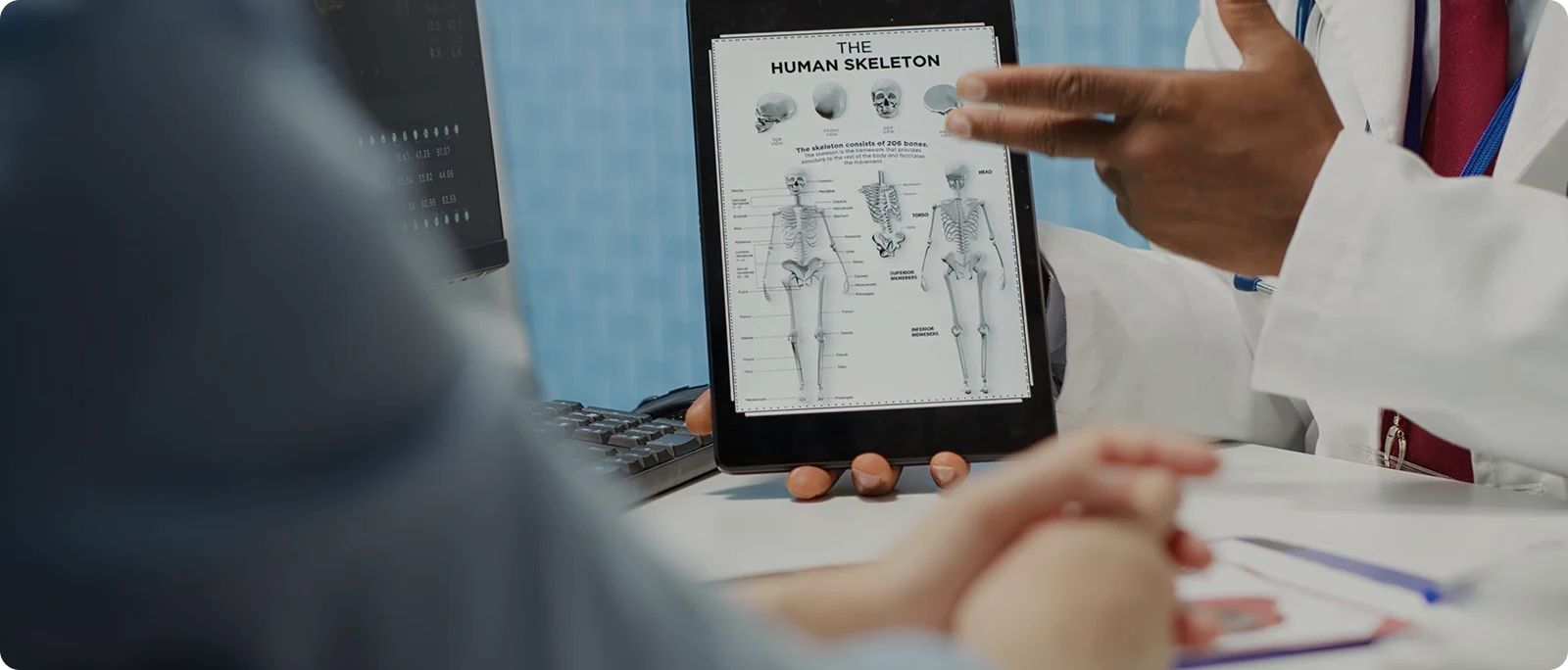
Degenerative Spine Surgery
(Keyhole & minimally invasive solutions for lumbar/cervical stenosis, disc disease, and instability | Bangalore Back)
Ageing changes the spine gradually—discs lose hydration, joints stiffen, and ligaments thicken. For many, this simply means occasional stiffness. For others, it becomes daily pain, heaviness in the legs, or numbness while walking. I meet patients across Bangalore and South India who have lived with these symptoms for years assuming “it’s part of getting older.” The right evaluation and a precise, minimally invasive plan often changes that story—sometimes within days.
Understanding Degenerative Spine Disorders
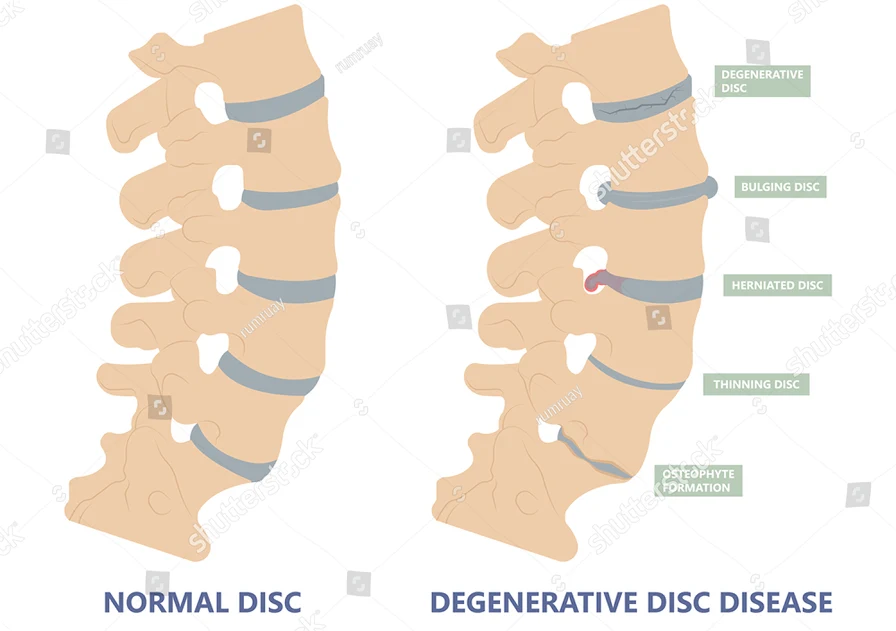
Degenerative spine disease is a spectrum:
- Disc dehydration and height loss
- Facet joint arthritis and synovitis
- Ligamentum flavum thickening narrowing the canal
- Foraminal stenosis compressing exiting nerves
- Spondylolisthesis due to progressive instability
- Adult degenerative scoliosis affecting balance and posture
Common symptoms include back or neck pain, tingling, foot numbness, heaviness while walking, reduced standing tolerance, and frequent rest stops due to leg fatigue.
When Should Surgery Be Considered?
Surgery is considered when:
- Pain or neuro‑symptoms persist despite structured physiotherapy and medication
- Walking distance keeps shrinking (neurogenic claudication)
- Weakness or foot‑drop appears
- Imaging shows severe stenosis, instability, or deformity progression
- Red flags: bladder/bowel symptoms or rapidly advancing deficits
Degenerative Spine Surgery Techniques at Bangalore Back
My surgical plans are individualised with a preference for soft‑tissue preservation and early mobilisation:
- Keyhole microscopic decompression for focal stenosis
- Minimally invasive laminectomy for multi‑level canal narrowing
- Microscopic discectomy for herniated discs
- Foraminotomy to relieve foraminal compression
- MIS TLIF/PLIF interbody fusion for instability with deformity correction
- Cervical decompression and fusion for cord compression or radiculopathy
- Robotic‑assisted instrumentation for precision in complex anatomy
- Day‑care MIS options where clinically safe (select cases)
Minimally invasive (MIS) techniques typically mean less pain, less blood loss, smaller scars, and quicker return to routine activities.
 Request an appointment
Lorem ipsum dolor


Why Patients Choose Bangalore Back
- Flagship MIS program for degenerative spine disease
- Navigation & robotic support for accuracy
- Fast‑recovery protocols and day‑care options where feasible
- Transparent, shared decision‑making with families
- Strong outcomes for international and domestic patients
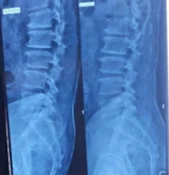
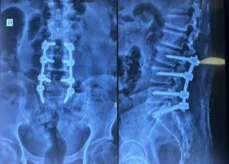
Before & After Clinical Gallery
We showcase real patient cases (with consent), including:
- Pre- and Post-operative MRIs and X-rays
- Disc Herniations, Stenosis, and Spondylolisthesis cases
- Visible improvement in alignment and decompression
Recovery And Rehabilitation
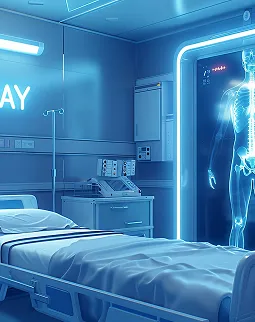
Typical recovery timeline:
- Walk within 24–48 hours post-op
- Return to desk work in 2–3 weeks
- Resume full activity in 4–6 weeks
FAQ’s
Is keyhole surgery right for me?
Is “laser” used in degenerative surgery?
How soon can I be discharged?
Will I need fusion?
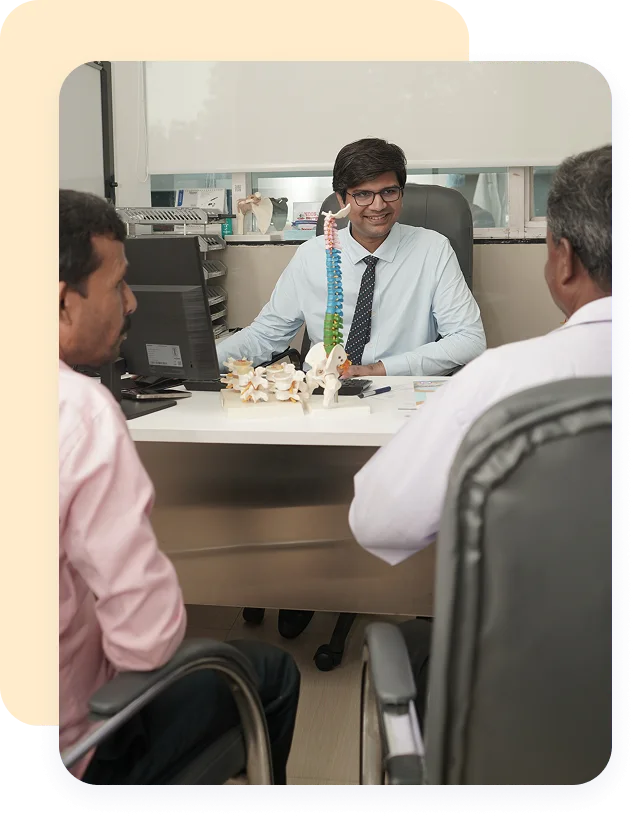
Let’s Start Fixing Your Back, Together.
Whether it’s a nagging pain, an unclear diagnosis, or a question about surgery—your spine deserves expert attention. Schedule a one-on-one consultation with Dr. Abhishek Mannem and get a personalized path to recovery.