 +91- 9692108108
Failed Back Surgery Syndrome & Chronic Spine Pain Treatment
(Re‑diagnosis, corrective surgery, and advanced pain recovery by Dr Abhishek Mannem | Bangalore Back)
Introduction
Most patients expect spine surgery to be the end of their pain story. When symptoms return—or never really settle—the emotional toll is heavy. I meet many such patients in Bangalore who feel stuck after a previous operation, unsure whom to trust. This is what we call Failed Back Surgery Syndrome (FBSS). It rarely means someone did something wrong. It usually means the original problem was only partly addressed, a new issue developed, or healing took a different path. At Bangalore Back, our job is to find the real cause and chart a calm, precise way forward—often with conservative measures, and when needed, with focused keyhole correction.
Understanding Failed Back Surgery Syndrome (FBSS)
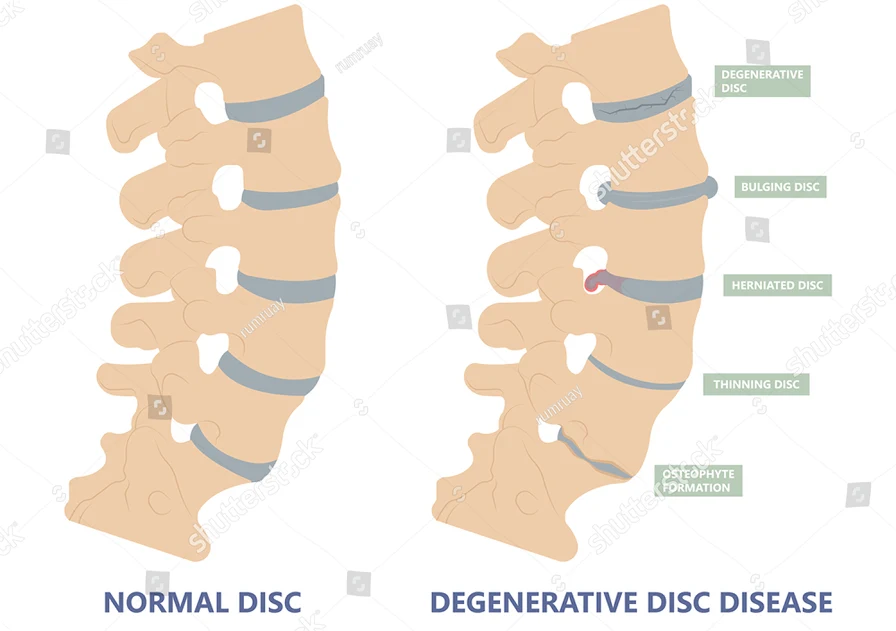
FBSS is persistent or recurrent pain after spine surgery. The source may be one—or a combination—of these:
- Residual or recurrent disc herniation
- Incomplete nerve decompression
- Scar tissue (epidural fibrosis) tethering the nerve roots
- Instability or malalignment at the operated level
- Adjacent segment degeneration above/below the fusion
- Implant loosening or suboptimal placement
- Pain referred from the SI joint or hip
Symptoms range from burning sciatica and tight hamstrings to deep axial back pain, spasms, numbness, or loss of stamina during walking.
When Should You Suspect FBSS?
Consider FBSS when any of the following persists beyond 3–4 months post‑surgery:
- Pain returns after an initial pain‑free window
- Numbness or tingling increases
- New weakness develops
- Pain localises to the operated level
- Difficulty standing or walking long distances
- Recurrent flare‑ups despite medication and rest
Evaluation at Bangalore Back
I begin with a clean slate—no assumptions. We review pre‑ and post‑operative MRIs, operative notes, implant position, and alignment. We add dynamic X‑rays for movement, CT for fusion/implant integrity, and MRI with metal‑artifact reduction when needed. Equally important are posture analysis, core stability testing, and rehabilitation review. This structured walk‑through reveals the true driver of pain and guides the plan.
Treatment Strategies for FBSS & Chronic Spine Pain
Most FBSS patients do not need another big operation. We prefer staged, evidence‑based steps:
- Targeted physiotherapy for scar glide, neural mobilization, and core control
- Medication optimisation for neuropathic pain
- Image‑guided selective nerve root blocks and facet/SI joint injections
- Radiofrequency ablation for chronic facet pain
- Ergonomic and posture retraining for daily routines
- Recurrent flare‑ups despite medication and rest
When surgery is indicated, we use focused, minimally invasive approaches:
- Navigation‑guided keyhole decompression of residual compression
- Revision alignment and fusion where instability persists
- Implant revision or augmentation if required
- Robotic assistance for complex trajectories in distorted anatomy
The intent is simple: correct precisely, preserve muscle, and return function with the least disruption.
 Request an appointment
Lorem ipsum dolor

Why Patients Choose Bangalore Back
- High‑volume experience with complex revision cases
- 3T MRI, low‑artifact protocols, and dynamic imaging pathways
- Keyhole, laser‑assisted, and minimally invasive options when appropriate
- Navigation & robotic guidance for accuracy in revision scenarios
- Integrated rehabilitation with measurable goals and timelines
- Clear, realistic communication about outcomes and recovery
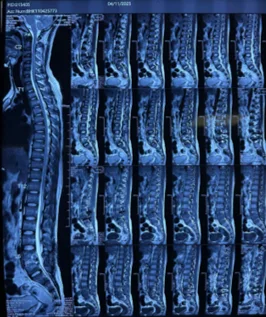
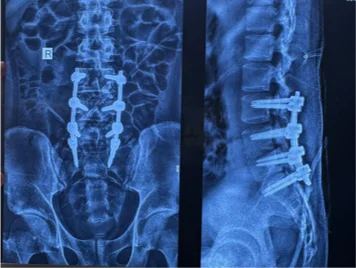
Before & After Clinical Gallery
We showcase real patient cases (with consent), including:
- Pre- and Post-operative MRIs and X-rays
- Disc Herniations, Stenosis, and Spondylolisthesis cases
- Visible improvement in alignment and decompression
Recovery And Rehabilitation
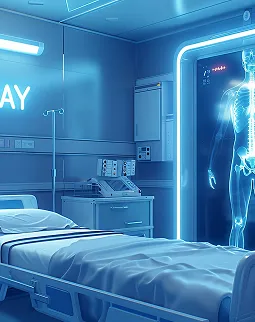
Recovery after cervical spine surgery is usually quick. Most patients walk the next day and return to desk work within 2–3 weeks.
Typical Recovery Path:
- Hospital stay: 2–4 days
- Mobilization: 24 hours after surgery
- Brace: Soft collar for 1–2 weeks if required
- Back to work: 2–3 weeks
- Full recovery: 6–8 weeks with physiotherapy
Our rehabilitation focuses on posture correction, gentle neck strengthening, and ergonomic advice to prevent recurrence.
FAQ’s
Is another surgery always needed?
Can pain be permanent?
Are revision surgeries riskier?
How long is recovery after corrective surgery?
Let’s Start Fixing Your Back, Together.
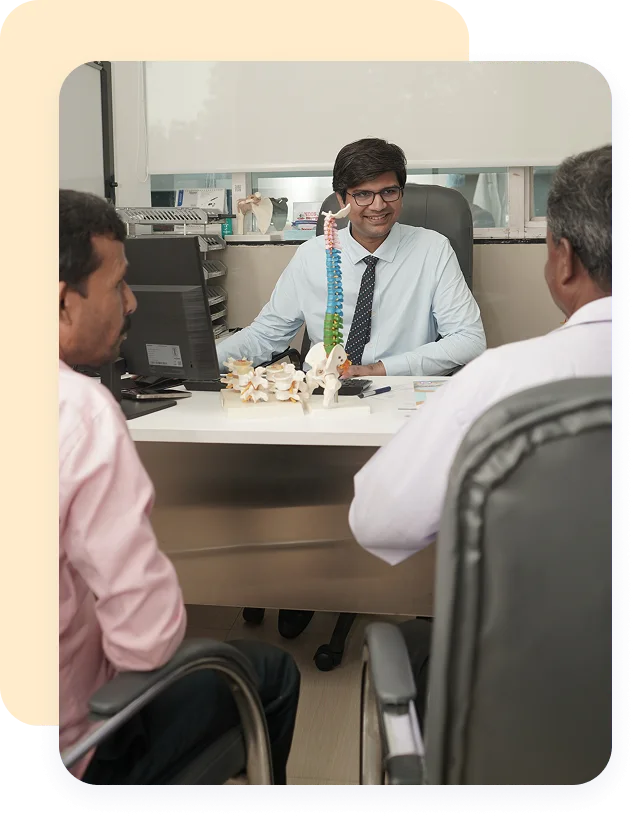
Whether it’s a nagging pain, an unclear diagnosis, or a question about surgery—your spine deserves expert attention. Schedule a one-on-one consultation with Dr. Abhishek Mannem and get a personalized path to recovery.