
 +91- 9692108108
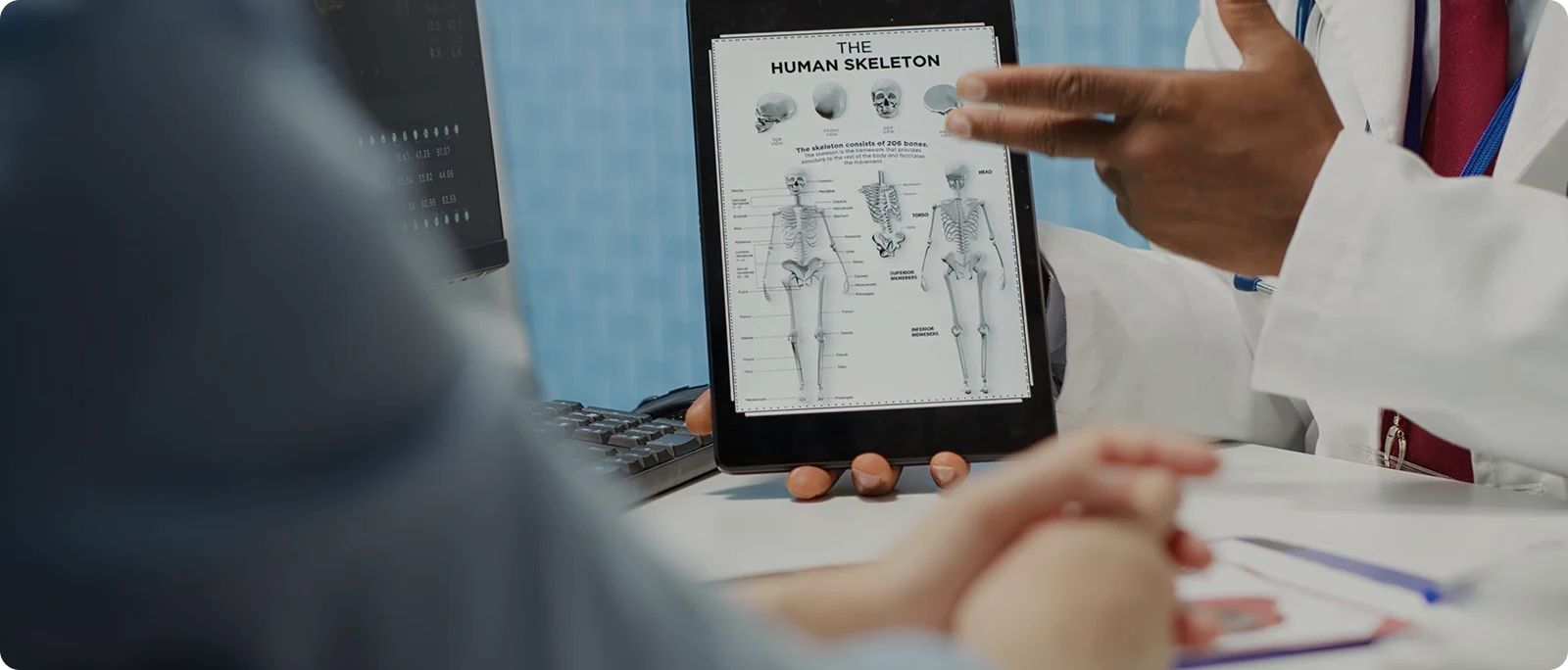
Posture Correction & Ergonomic Spine Health Program
(Comprehensive posture assessment, ergonomic optimization, and spine alignment program by Dr Abhishek Mannem | Bangalore Back)
Poor posture and prolonged sitting have quietly become one of the biggest contributors to back pain in Bangalore’s working population. I see this every week—software professionals spending 10–14 hours at their desks, students studying for long hours, corporate executives on continuous video calls, and even athletes whose posture shifts due to training imbalance. Over time, the spine adapts to this prolonged strain: muscles become tight, bones become weak, the pelvis tilts, and the normal spinal curve becomes distorted. What begins as mild discomfort slowly turns into chronic neck pain, headaches, shoulder stiffness, or lower back pain.
The Posture Correction & Ergonomic Spine Health Program at Bangalore Back is designed to address these modern spine challenges through detailed assessment, corrective techniques, ergonomic guidance, and personalised conditioning plans. The aim is simple: restore healthy alignment and prevent long-term spine degeneration.
Understanding Posture & Ergonomic Spine Health
The spine is built to distribute load evenly through its natural curves. When posture deviates—due to slouching, forward head position, rounded shoulders, or prolonged flexion—the muscles that support the spine become imbalanced. This combination of tightness and weakness gradually overloads the ligaments, discs, and facet joints.
Most working professionals in Bangalore experience posture fatigue due to long commutes, extended work hours, poor workspace ergonomics, and digital device usage. Over months or years, these changes lead to chronic pain patterns that are harder to reverse without structured intervention.
Common Postural Problems
- Forward head posture from prolonged laptop/mobile use
- Rounded shoulders due to weak upper back muscles
- Hunched thoracic spine from extended sitting
- Anterior pelvic tilt causing lower back strain
- Flat back posture with loss of lumbar curvature
- Upper cross syndrome (tight chest, weak upper back)
- Lower cross syndrome (tight hip flexors, weak glutes and abs)
Common Causes of Posture-Related Spine Issues
- Long hours of sitting without breaks
- Poor ergonomic desk/workstation setup
- Weak core and gluteal muscles
- Repetitive use of laptops without external monitors
- Incorrect sleeping posture or mattress type
- Carrying heavy bags or uneven load
- Lack of posture awareness
Symptoms & Warning Signs
- Persistent neck and shoulder pain
- Stiffness in upper or lower back
- Headaches or heaviness around the neck
- Burning pain between shoulder blades
- Tingling sensations in arms or hands
- Difficulty standing upright after prolonged sitting
- Fatigue after mild activity due to muscle imbalance
When Advanced Intervention Is Required
While most posture issues resolve with correction and strengthening, intervention is required when:
- Pain persists despite corrective therapy
- Nerve symptoms such as tingling or numbness increase
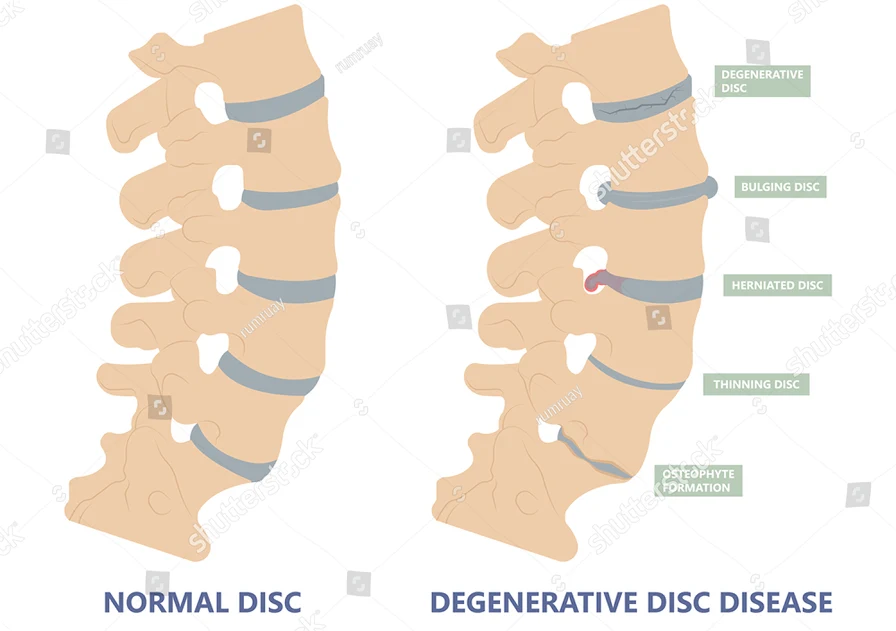
- Imaging shows disc degeneration or early disc prolapse
- Chronic muscle spasm limits movement
- Structural changes begin affecting day-to-day activities
In such cases, personalised physiotherapy strategies and medical management are initiated to control inflammation and improve mobility.
Evaluation at Bangalore Back
Evaluation begins with a detailed posture assessment—analysing sitting, standing, walking, and workstation alignment. We assess spinal curves, pelvic tilt, core strength, and muscular imbalances. In many cases, posture issues are reversible with structured guidance and strength reconditioning. Imaging is rarely required unless symptoms indicate disc involvement or nerve compression.
We also analyse ergonomic habits, daily movement patterns, footwear, commute posture, and sleep routine to identify lifestyle factors contributing to pain.
Posture Correction & Ergonomic Program at Bangalore Back
- Posture retraining with targeted exercises
- Ergonomic workstation redesign recommendations
- Core strengthening and spinal stabilisation routines
- Manual therapy and myofascial release for tight muscle groups
- Training on neutral spine alignment during daily activities
- Movement correction for walking, lifting, and sitting
- Stretching plans for hip flexors, hamstrings, neck, and thoracic spine
- Strength conditioning to restore muscle balance
 Request an appointment
Lorem ipsum dolor

Why Choose Bangalore Back
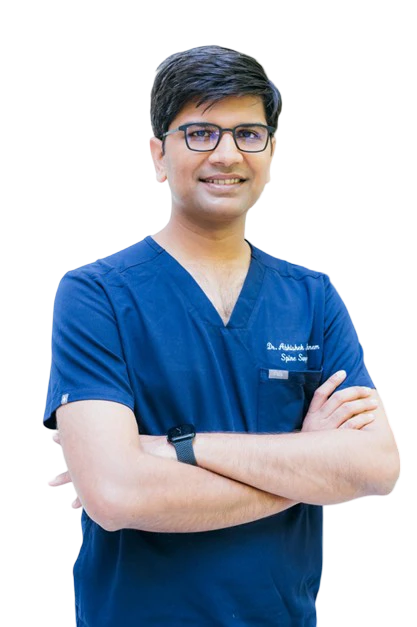
- Specialised program designed by spine experts
- Scientific approach based on posture biomechanics
- Personalised ergonomic guidance for home & office
- Collaboration with skilled physiotherapists
- Long-term correction instead of short-term relief
Before & After Clinical Gallery
We showcase real patient cases (with consent), including:
- Pre- and Post-operative MRIs and X-rays
- Disc Herniations, Stenosis, and Spondylolisthesis cases
- Visible improvement in alignment and decompression
Recovery And Rehabilitation
Recovery is progressive and depends on consistency. The program begins with pain relief and mobility work, followed by muscle strengthening and motor control training. We gradually increase endurance, posture awareness, and spinal stability. Many individuals experience noticeable improvement within 2–4 weeks, while long-standing posture issues may take longer to fully correct. Regular follow-ups help maintain results and prevent recurrence.
FAQ’s
Is posture correction permanent?
Do I need imaging for posture issues?
How long will it take to see results?
Can posture correction reduce headaches?
Is ergonomics equally important?
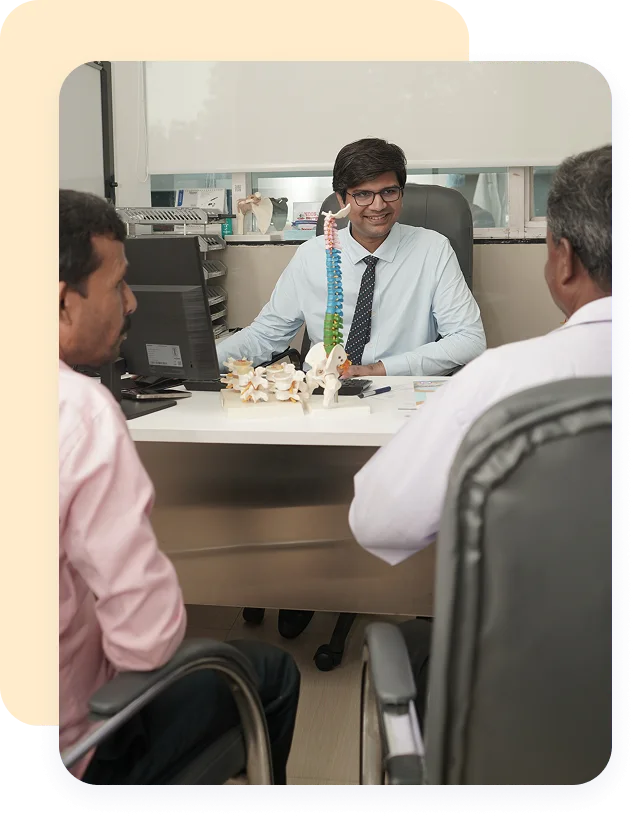
Let’s Start Fixing Your Back, Together.
Whether it’s a nagging pain, an unclear diagnosis, or a question about surgery—your spine deserves expert attention. Schedule a one-on-one consultation with Dr. Abhishek Mannem and get a personalized path to recovery.