 +91- 9692108108
Spinal Tumor Surgery & Metastatic Spine Disease Treatment
(Comprehensive care for spine cancer, spinal cord tumors, and metastatic disease by Dr Abhishek Mannem)
Cancers affecting the spine are among the most serious and complex conditions we treat. They can arise within the spine itself (primary tumors) or spread from cancers of the breast, lung, prostate, or other organs (metastatic disease). If not treated early, spinal tumors can cause severe pain, instability, or paralysis. At Bangalore Back, we combine cutting-edge technology, a multidisciplinary oncology team, and compassionate care to preserve mobility and quality of life for every patient.
In my practice, I often meet patients who come in with persistent back pain or sudden weakness, unaware that cancer has spread to the spine. With timely diagnosis, image-guided stabilization, and modern adjuvant therapy, we can significantly extend life expectancy and improve comfort.
Understanding Spinal Tumors and Metastases
Spinal tumors are abnormal growths in or around the spinal cord and vertebrae. They may be primary (originating in the spine) or secondary/metastatic (spread from another site).
Common types we treat include:
- Metastatic spinal tumors (from breast, lung, prostate, kidney, thyroid, or gastrointestinal cancers)
- Primary vertebral tumors (hemangioma, chordoma, osteoblastoma)
- Intradural-extramedullary tumors (meningioma, schwannoma)
- Intramedullary tumors (ependymoma, astrocytoma)
- Multiple myeloma and lymphoma involving the spine
Symptoms and Warning Signs
Because spine tumors can mimic regular back pain, they’re often diagnosed late. Early detection makes a significant difference.
Common warning signs include:
- Persistent back pain, worse at night or while resting
- Sudden onset weakness or numbness in limbs
- Loss of bladder or bowel control
- History of cancer elsewhere with new back pain
- Unexplained weight loss or fatigue
Diagnosis and Staging
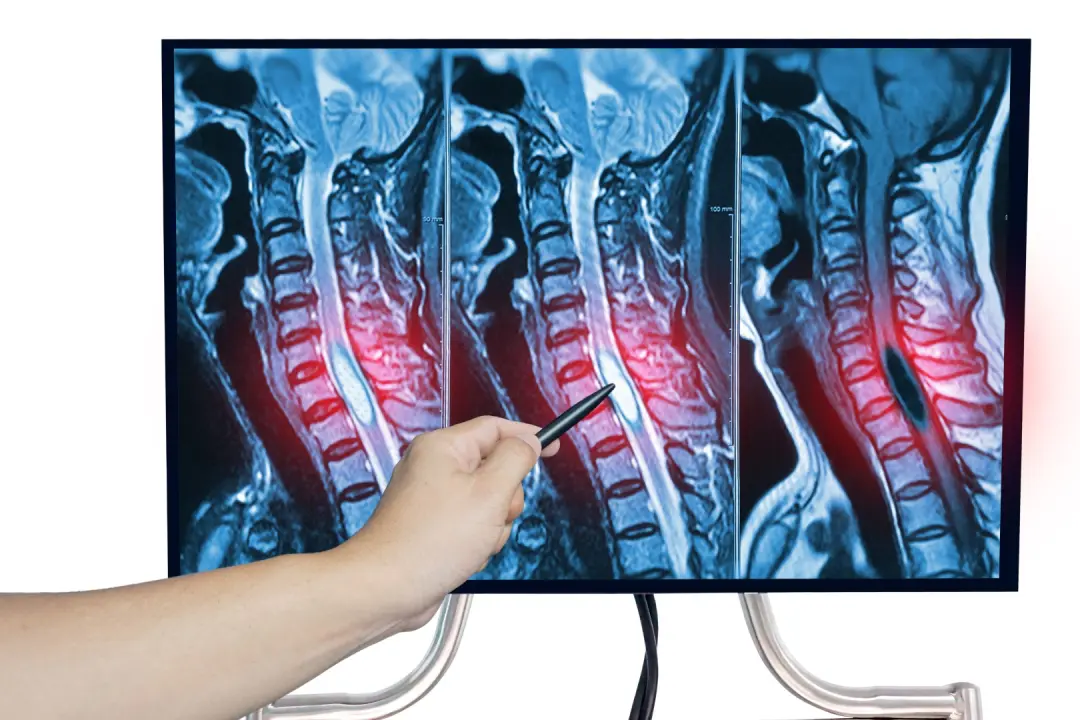
We use a combination of advanced imaging and molecular diagnostics to confirm and stage spinal tumors accurately.
Our diagnostic workflow includes:
- MRI with contrast for soft-tissue and spinal cord involvement
- CT scan for bone destruction and structural instability
- PET-CT to identify primary and metastatic lesions
- Biopsy or FNAC for histopathological confirmation
- 3D AI-based surgical simulation for preoperative planning
Treatment Strategy at Bangalore Back
Each tumor is unique — and so is every patient. We tailor the treatment plan depending on tumor type, stage, and overall health. Our team works closely with oncologists, radiologists, radiation specialists, and physiotherapists to deliver seamless, holistic care.
Our treatment options include:
- Surgical Decompression and Stabilization: Relieves pressure on the spinal cord and nerves while restoring stability using titanium implants.
- En Bloc Tumor Resection: For selected primary tumors to achieve complete removal.
- Vertebroplasty and Kyphoplasty: Minimally invasive cement augmentation to relieve pain and strengthen fragile vertebrae.
- Minimally Invasive Stabilization: For patients with multiple metastases or limited life expectancy.
- Radiation and Stereotactic Radiosurgery (SRS): In collaboration with radiation oncologists for residual disease control.
- Systemic Chemotherapy or Immunotherapy: Based on tumor profile and molecular markers.
 Request an appointment
Lorem ipsum dolor

Why Patients Choose Bangalore Back
- Advanced spine oncology program integrating surgery, radiation, and rehab
- AI-assisted navigation and intraoperative neuromonitoring for precision
- Expertise in vertebroplasty, kyphoplasty, and minimally invasive fixation
- Multidisciplinary tumor board for individualized care plans
- International patient coordination for second opinions and treatment
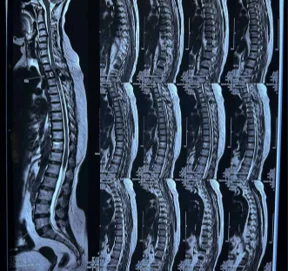
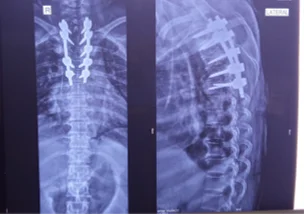
Before & After Clinical Gallery
We showcase real patient cases (with consent), including:
- Pre- and Post-operative MRIs and X-rays
- Disc Herniations, Stenosis, and Spondylolisthesis cases
- Visible improvement in alignment and decompression
Recovery And Rehabilitation
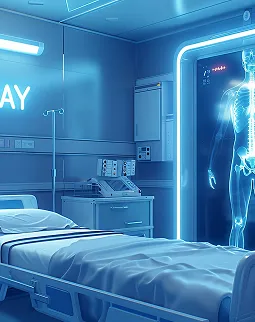
Our aim is to preserve movement, relieve pain, and maintain independence. Most patients begin gentle mobilization within 48 hours after surgery, followed by structured physiotherapy and rehabilitation.
Typical Recovery Path:
- Hospital stay: 5–7 days (depending on extent of surgery)
- Walking: Within 48–72 hours in most cases
- Radiotherapy / adjuvant therapy: Starts after wound healing (2–3 weeks)
- Follow-up imaging: Every 3–6 months to monitor recurrence
- Long-term rehab: Focused on balance, strength, and confidence rebuilding
FAQ’s
Can spine tumors be cured?
What is metastatic spine disease?
Is surgery safe for cancer patients?
Will surgery relieve my pain?
Do you coordinate with oncologists for further cancer care?
Let’s Start Fixing Your Back, Together.
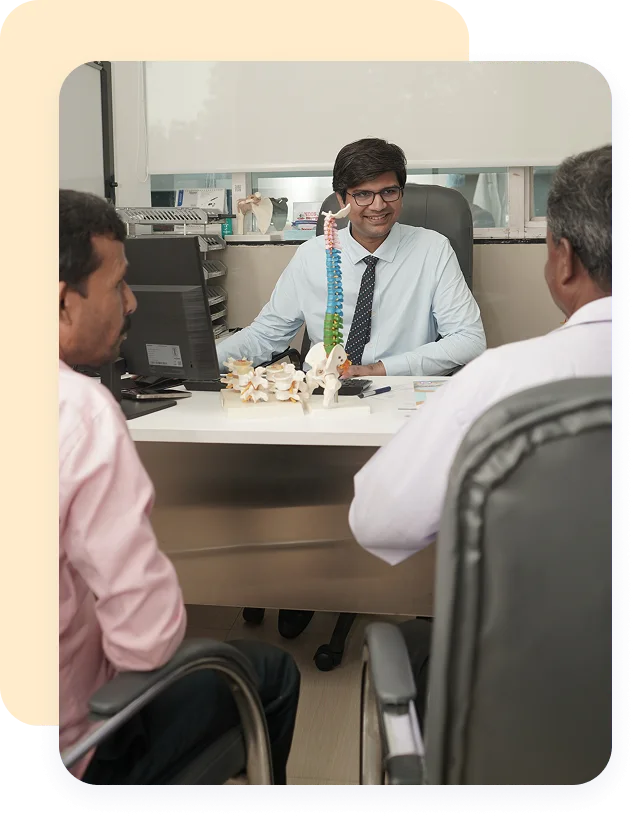
Whether it’s a nagging pain, an unclear diagnosis, or a question about surgery—your spine deserves expert attention. Schedule a one-on-one consultation with Dr. Abhishek Mannem and get a personalized path to recovery.